Bicentennial Quarter Value Guide: The 1976 Bicentennial Quarter is one of the most iconic coins in American history. Released in commemoration of the United States’ 200th birthday, this coin holds historical significance, but it also holds potential value for collectors. If you’ve come across one of these quarters, you may wonder what it’s worth today. In this guide, we’ll explore the value of the 1976 Bicentennial Quarter, its features, and what factors influence its worth.
The Design and Features of the Bicentennial Quarter
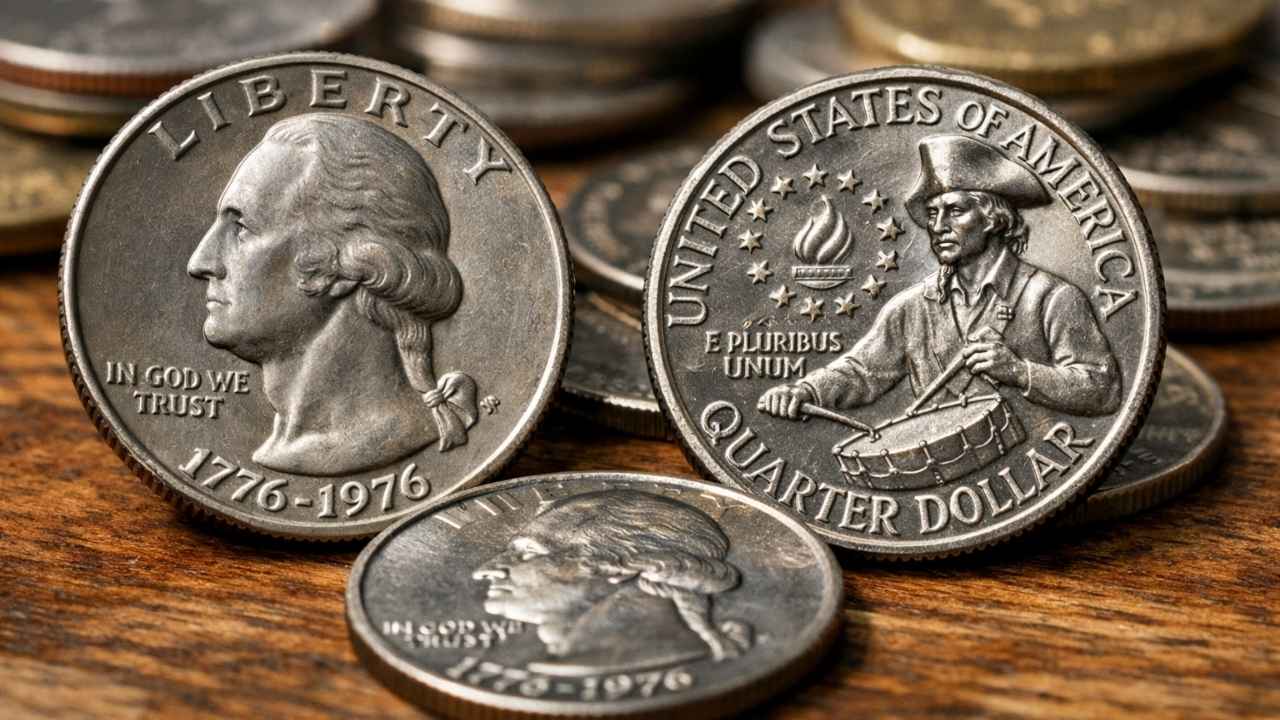
The 1976 Bicentennial Quarter was part of a special series of coins minted to celebrate the country’s 200th anniversary. The coin features a unique reverse design, unlike the standard George Washington quarter. Instead of the traditional eagle, the reverse side of the Bicentennial Quarter shows a colonial drummer boy. This design, created by artist Jack Ahr, was chosen through a public competition to symbolize the American Revolution and the spirit of independence.
The obverse of the coin, which remains the same as regular quarters from that time, shows the portrait of George Washington. The coin was struck in copper-nickel, like other quarters, and has a diameter of 24.3 mm, making it slightly larger than a dime but smaller than a half dollar.
Why the 1976 Bicentennial Quarter Is Special
What sets the 1976 Bicentennial Quarter apart from other quarters is its historical significance. In addition to marking the nation’s 200th anniversary, it was part of a nationwide coinage redesign that also included the Bicentennial Half Dollar and the Bicentennial Dollar. The special designs for all three of these coins were only released for a limited time, making them a memorable part of the 1976 celebration.
Many of these quarters were circulated widely during the 1976 celebrations, but the special nature of the design means that some of them are worth more than their face value today.
The Value of a 1976 Bicentennial Quarter: What You Need to Know
The value of a 1976 Bicentennial Quarter can vary based on several factors, including its condition, rarity, and whether it has any unique features such as mint errors. While these coins were mass-produced, they are still considered collectible by many, and some can fetch a premium price depending on their grade.
Uncirculated Bicentennial Quarters
Uncirculated Bicentennial Quarters, or coins that have never been used in everyday transactions, are the most valuable. These coins are in pristine condition, with no visible wear or tarnish. An uncirculated 1976 Bicentennial Quarter can be worth anywhere from $3 to $10, depending on the coin’s grade.
The higher the grade of the coin, the more valuable it will be. For instance, a coin graded MS67 or higher (on the Sheldon scale, where MS70 is perfect) can be worth significantly more. In fact, a coin in exceptional condition can sometimes command prices in the hundreds of dollars, though such examples are rare.
Circulated Bicentennial Quarters
Most 1976 Bicentennial Quarters, however, were widely circulated and are in less-than-perfect condition. These coins are still valuable to collectors, but their worth is generally lower than that of uncirculated examples. Circulated quarters in average condition may be worth only a few cents more than their face value, typically ranging from $1 to $3.
The value of a circulated coin depends on the degree of wear it has sustained. Coins that are heavily worn will have much less value, while those with only slight wear can still be sought after.
Special Variations and Mint Errors
In addition to the basic 1976 Bicentennial Quarters, there are a few variations that could be worth more to collectors. For example, some collectors search for coins with mint errors, such as double strikes or misaligned dies. These errors can make a coin rarer and more valuable.
There are also proof versions of the 1976 Bicentennial Quarter. Proof coins are specially made for collectors and are produced with a higher level of detail and quality. A proof 1976 Bicentennial Quarter, especially one in its original packaging, can be worth significantly more than a regular coin from circulation.
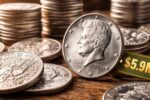
Some quarters were also minted at the San Francisco mint, and these can be identified by the “S” mintmark. These coins tend to be more valuable than those minted in Philadelphia or Denver, as the San Francisco mint produced fewer of them.
How to Determine the Value of Your Bicentennial Quarter
To determine the value of your 1976 Bicentennial Quarter, you’ll need to assess its condition and look for any unique characteristics that might make it more valuable. Here are some steps to help you evaluate the worth of your coin:
- Inspect the Condition: Look for wear and tear on the coin. Uncirculated coins will have no visible scratches or blemishes, while circulated coins will show signs of use, such as scratches, discoloration, or smoothing of the design.
- Check for Mint Marks: Examine the coin for a mint mark. A mint mark is a letter (P, D, or S) located near Washington’s neck on the obverse. An “S” mintmark indicates that the coin was struck at the San Francisco mint, which may make it more valuable.
- Look for Mint Errors: Search the coin for mint errors like double strikes, off-center strikes, or other unusual characteristics. These errors can increase the value of a coin substantially.
- Consult Price Guides: If you’re unsure about your coin’s value, consider consulting a reputable coin price guide or seeking the opinion of a professional coin dealer.
Where to Sell or Buy Bicentennial Quarters
If you believe your 1976 Bicentennial Quarter may be worth more than face value, there are several ways to sell or trade it. Coin shops, online marketplaces, and auction sites are all good places to start. It’s important to do some research on the current market value of your coin and to seek out reputable buyers or dealers to ensure you get a fair price.
When buying or selling coins, always be cautious of scams or dishonest dealers. It’s a good idea to get your coin appraised by a professional before making a sale, especially if you believe it has a significant value.
Conclusion: The Enduring Appeal of the Bicentennial Quarter
The 1976 Bicentennial Quarter is more than just a piece of currency; it’s a symbol of American history and independence. While most of these coins aren’t worth a fortune, some can still fetch a decent price depending on their condition, rarity, and any special features they may have. Whether you’re a seasoned collector or someone who simply wants to learn more about these unique coins, the Bicentennial Quarter is a fascinating part of America’s coinage legacy.