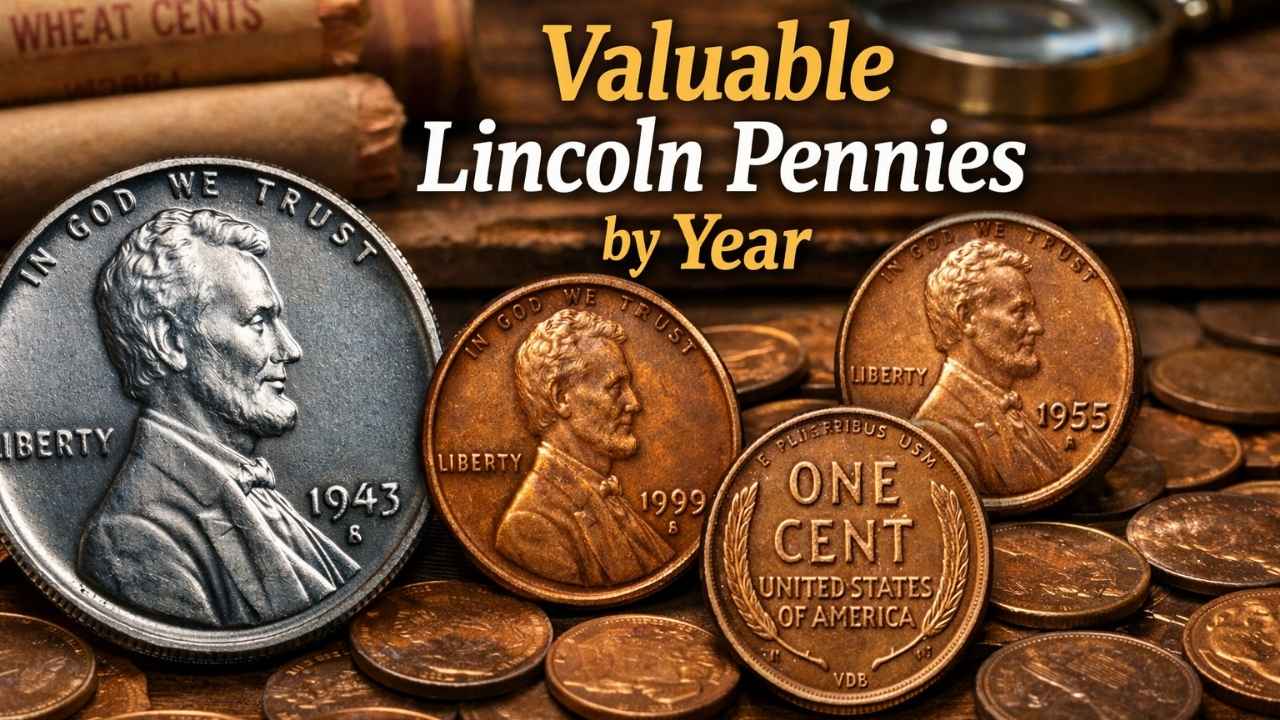
Valuable Lincoln Pennies by Year: The Lincoln cent has been a fixture of American coinage for more than a century. Introduced in 1909 to honor the 100th anniversary of Abraham Lincoln’s birth, it quickly became one of the most recognized coins in circulation. While billions of Lincoln pennies have been minted, certain years and varieties stand out as rare treasures. For collectors and investors, these coins represent not only historical artifacts but also opportunities for significant financial gain. This guide explores valuable Lincoln pennies by year, highlighting the rarest examples, the stories behind them, and the insights collectors need to uncover hidden treasures.
The Significance of the Lincoln Cent
The Lincoln cent was groundbreaking when first introduced. It was the first regular issue U.S. coin to feature a president’s portrait, designed by Victor David Brenner. The reverse design featured two wheat stalks, symbolizing prosperity. Over time, the coin evolved, with the Memorial reverse introduced in 1959 and later the Union Shield in 2010. Despite these changes, the Lincoln cent has remained a constant presence in American life, making rare varieties even more intriguing.
1909 S VDB The Collector’s Crown Jewel
The 1909 S VDB penny is one of the most famous coins in American numismatics. Struck at the San Francisco Mint, only 484,000 were produced before Brenner’s initials were removed from the reverse. This coin’s rarity and historical significance make it a centerpiece of any collection. High-grade examples can sell for tens of thousands of dollars, cementing its reputation as the crown jewel of Lincoln cents.
1914 D A Denver Mint Rarity
The 1914 D penny is another highly sought-after coin. With a mintage of just over one million, it is scarce compared to other years. Many were heavily circulated, leaving few in pristine condition. Collectors prize this coin for its rarity, and values can range from hundreds to tens of thousands depending on grade.
1922 No D An Unintentional Error
In 1922, the Denver Mint was the only facility producing Lincoln cents. Due to worn dies, some coins were struck without the “D” mint mark. These “No D” pennies are considered true minting anomalies. Well-preserved examples are rare and can command thousands of dollars, making them a fascinating addition to any collection.
1931 S Depression Era Scarcity
The 1931 S penny was minted during the Great Depression, when coin production was drastically reduced. Only 866,000 were struck, making it one of the lowest mintage Wheat Pennies. Collectors value it not only for its rarity but also for its historical context, as it reflects the economic challenges of the era.
1943 Copper Pennies A Wartime Mistake
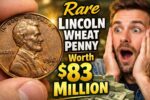
During World War II, copper was needed for ammunition, so the U.S. Mint produced pennies from zinc-coated steel in 1943. However, a few were mistakenly struck in copper. These 1943 copper pennies are among the most valuable Lincoln cents ever discovered, with some selling for hundreds of thousands of dollars at auction. They remain legendary in the coin collecting world.
1955 Double Die Obverse A Dramatic Error
The 1955 Double Die Obverse penny is famous for its dramatic doubling of the date and lettering. This error occurred during the minting process and resulted in a striking visual anomaly. Collectors cherish this coin for its uniqueness, and values can range from several hundred dollars to tens of thousands depending on grade.

1969 S Double Die Obverse A Modern Marvel
Another double die rarity emerged in 1969 at the San Francisco Mint. The doubling on the obverse is bold and easily visible, making it one of the most dramatic error coins of the modern era. Because of its rarity and striking appearance, it remains highly valuable and sought after by serious collectors.
1972 Double Die Obverse A Popular Error
The 1972 Double Die Obverse penny is another example of minting errors creating collectible treasures. The doubling is visible on the date and inscriptions, and while more common than the 1955 or 1969 varieties, it still commands significant value among collectors.
1982 Small Date Copper Penny A Transitional Rarity
In 1982, the U.S. Mint transitioned from copper to copper-plated zinc pennies. During this transition, both large date and small date varieties were produced in copper and zinc. The 1982 small date copper penny is particularly rare and valuable, as only a limited number were struck before the full transition to zinc.
1992 Close AM Penny A Subtle Rarity
The 1992 Close AM penny is a modern rarity caused by the use of a proof die on circulation coins. The spacing between the letters “A” and “M” in “AMERICA” is closer than usual. This subtle difference makes the coin highly collectible, with values reaching thousands of dollars.
1995 Double Die Obverse A Widely Recognized Error
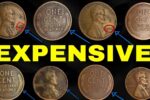
The 1995 Double Die Obverse penny is one of the most accessible error coins for collectors. The doubling is visible on the word “LIBERTY” and the date. While not as rare as earlier double die varieties, it remains a popular and valuable coin.
2009 Bicentennial Lincoln Pennies Modern Commemoratives
In 2009, the U.S. Mint released four special reverse designs to celebrate the bicentennial of Lincoln’s birth and the centennial of the Lincoln cent. While not rare in circulation, certain proof and uncirculated versions have become collectible. These coins serve as a modern reminder of Lincoln’s enduring legacy.
Identifying Valuable Lincoln Pennies
Collectors must pay close attention to details when identifying valuable Lincoln pennies. Key factors include mint marks, errors, condition, and historical context. Mint marks such as S for San Francisco or D for Denver can significantly affect value. Errors including double dies, missing mint marks, or unusual spacing are highly prized. Condition is critical, with uncirculated or high-grade coins commanding the highest values. Historical context can also add significance to certain years.
Preserving and Investing in Rare Pennies
For those seeking to preserve or invest in Lincoln pennies, proper care is essential. Coins should be stored in protective holders to prevent damage. Avoid cleaning coins, as this can reduce their value. Professional grading services can provide certification and enhance resale potential. As with any investment, research and patience are key. Rare coins often appreciate over time, making them both historical artifacts and financial assets.
Collector Insights and Hidden Treasures
The thrill of coin collecting lies in the possibility of discovery. Many valuable coins have been found in pocket change, coin rolls, or family collections. The possibility of uncovering a hidden treasure keeps collectors engaged and inspired. Each coin tells a story, connecting the present to the past in a tangible way. Collector insights emphasize the importance of knowledge, attention to detail, and persistence in the search for rare coins.
Conclusion
The Lincoln cent is more than just a piece of currency. It is a reflection of American history, artistry, and innovation. From the legendary 1909 S VDB to modern rarities like the 1992 Close AM, valuable Lincoln pennies continue to captivate collectors and investors alike. By understanding which years and varieties hold hidden treasures, enthusiasts can embark on a rewarding journey that combines history, passion, and opportunity. Whether you are a seasoned numismatist or a curious beginner, the world of Lincoln pennies offers endless possibilities for discovery and appreciation.